
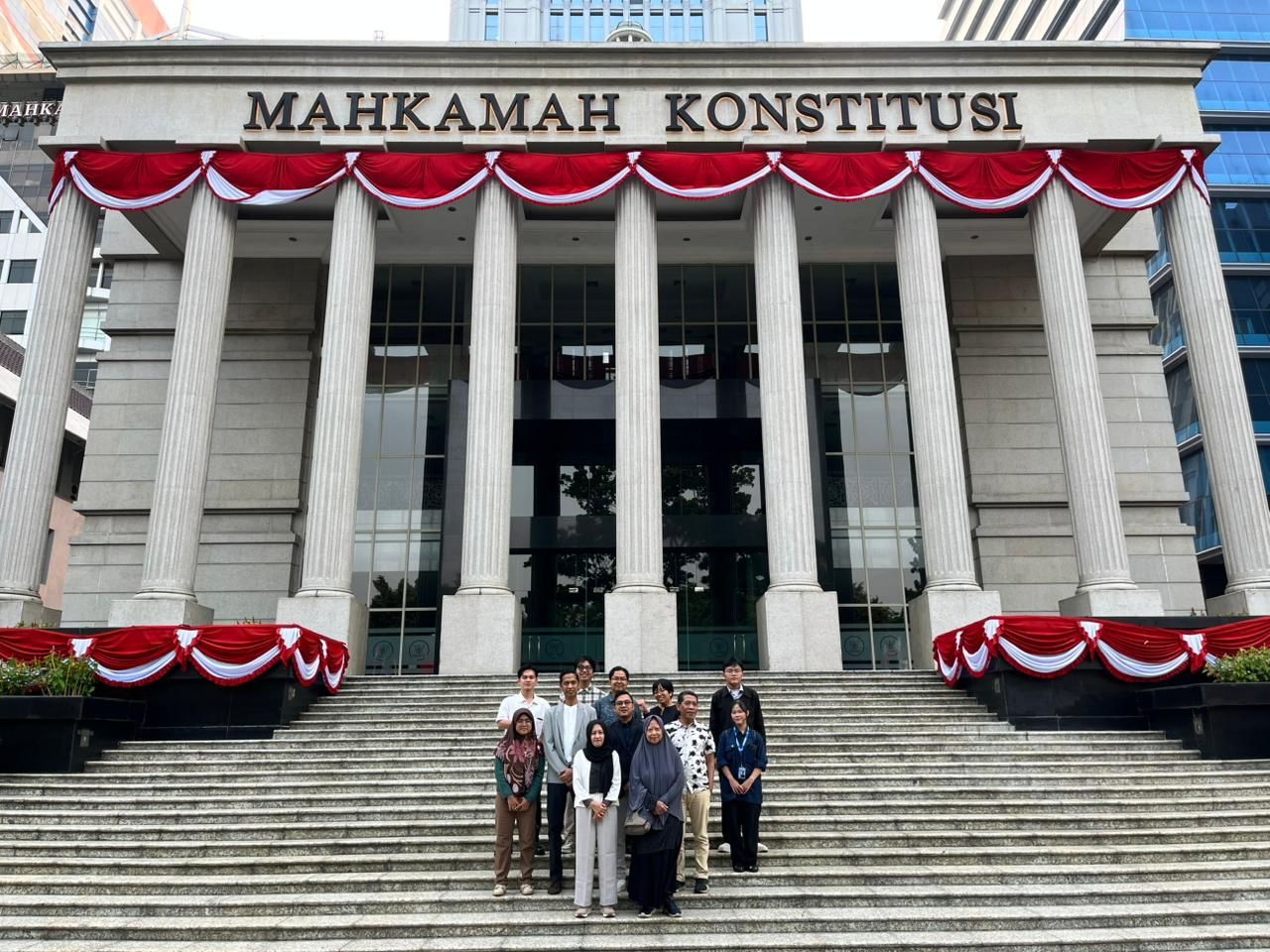
Johannesburg, South Africa — 4 September 2026. The Make Medicines Affordable (MMA) campaign welcomes the decision made by Indonesia’s Constitutional Court, which struck down the 2024 amendment that removed a key anti-evergreening safeguard from the country’s patent law. Patent evergreening – claiming secondary patents on new forms of and uses for existing medicines – is a common practice among pharmaceutical companies that delays access to affordable medicines and price-lowering generic competition .
The 2024 amendment was challenged by the Coalition for Patients’ Rights Advocacy for Access to Medicines. The Coalition comprises a cross-section of health and community groups such as the Indonesian Dialysis Patients Community (KPCDI), the Indonesian Drug Users Network (PKNI), the Indonesian Positive Women’s Association (IPPI), the Indonesian Pulmonary Hypertension Foundation (YHPI), REKAT Peduli Indonesia Foundation (REKAT), Indonesia for Global Justice (IGJ), Lusiana Aprilawati, TB survivor and activist; Paran Sarimita Winarni, TB survivor and activist; IrwandyWijaya, HIV activist, the Advocacy Staff at the Indonesia AIDS Coalition (IAC); Patrick J. Laurens, HIV activist and IAC Program Manager.
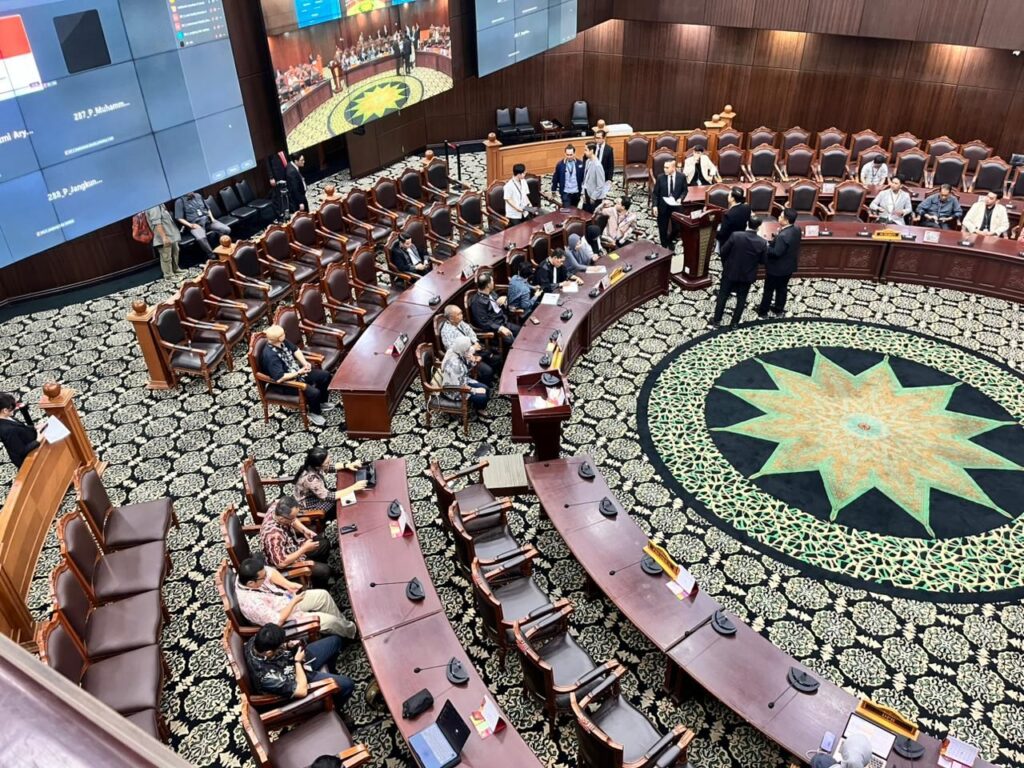
Aditya Wardhana of IAC, which is a member of the MMA campaign, provided an expert opinion to the Constitutional Court. Wardhana argued that Article 4(f) of the 2016 Patent Law served as a public-health safeguard as it permitted the rejection of claims relating to a new form or new use of a known substance where there was no meaningful technical improvement. Wardhana submitted that the impact of the patent evergreening was by no means abstract. He noted that,
“in Indonesia, a study of 20 medicines used to treat highly prevalent and/or catastrophic diseases identified 68 patent applications, with some secondary patents extending the period of protection by five to ten years beyond the expiry of the primary patent. Bedaquiline and Empagliflozin, for example, were each covered by six patents. The effect of evergreening on prices is substantial. The entry of five to six generic manufacturers may reduce prices by as much as 70 to 80 per cent…In Indonesia, the introduction of the generic antiretroviral combination TLE reduced its price by 48 per cent, generated annual savings of approximately USD 8 million, and enabled more than 45,000 additional people living with HIV to access treatment. This demonstrates that the patent system has a direct bearing on access to medicines and the financial sustainability of national health programmes.”
After seven hearings, the Constitutional Court found that the removal of Article 4(f) was contrary to the Indonesian Constitution. The Court also broadened the interpretation of “interested party,” that can oppose a patent grant under Indonesia’s patent law, explicitly recognizing the genuine legal standing of patient associations, consumer groups, health-rights NGOs and independent researchers .
“We warmly welcome the Constitutional Court’s decision. This ruling is not merely about restoring the anti-evergreening provision. More importantly, we see this decision as establishing a fundamental legal foundation: the right to health is an essential component of the right to life. The recognition that public health must remain at the heart of Indonesia’s patent system is important. For us, this decision is also a source of renewed strength to continue fighting for patients’ rights and access to affordable medicines. Indonesia still faces significant challenges from the increasing inclusion of TRIPS-plus provisions in free trade agreements. We must ensure that these provisions do not undermine Indonesia’s safeguards to protect public health and access to medicines,” said Agung Prakoso, Program Coordinator on Health and IP Monopoly Issues, IGJ.
Extending congratulations to the Coalition, Othoman Mellouk, Access to Medicines and Health Technologies Lead at ITPC, who coordinates the MMA campaign, noted that the impact of this ruling goes beyond Indonesia.
“The Constitutional Court victory in Indonesia upholds the right to health and highlights the importance of maintaining a balance between intellectual property and public health. We welcome the Court’s confirmation that communities and health groups have an important role in scrutinising patents, and that patent systems must distinguish genuine inventions from commonly-used strategies that prolong monopolies. Meaningful, global participation by civil society, health groups and communities of people living with HIV and other diseases can help stop evergreening, usher in generic competition, and make medicines more affordable and accessible. The MMA campaign strongly supports the full use of TRIPS flexibilities, including legal measures against patent evergreening and the right of public interest groups to challenge patents. We call on all developed countries to support the use of these flexibilities in low and middle income countries and to withdraw TRIPS-plus demands from FTA negotiations and other bilateral processes.”
Veronika Kochubei from 100% Life, Ukraine, highlighted the importance of the decision for her country’s patent law reform process.
“As we work to protect and strengthen anti-evergreening and public health provisions in Ukrainian legislation, the decision of Indonesia’s Constitutional Court provides a powerful real-world example of the public health importance of these safeguards. These are precisely the safeguards we are currently fighting for in Ukraine in the context of the EU integration process and the pressure to adopt TRIPS-plus measures. Our health system is already under enormous strain from the war, and we depend on generic competition to keep treatment accessible for people living with HIV, TB, and other conditions. We are inspired by Indonesia’s health groups which have worked hard for a long time – first advocating for crucial health safeguards in their patent law and then safeguarding them when they were challenged. They have demonstrated the vital role that civil society plays in protecting the fundamental rights to life and health – a role that governments and international agencies everywhere should welcome and support ,” she said.
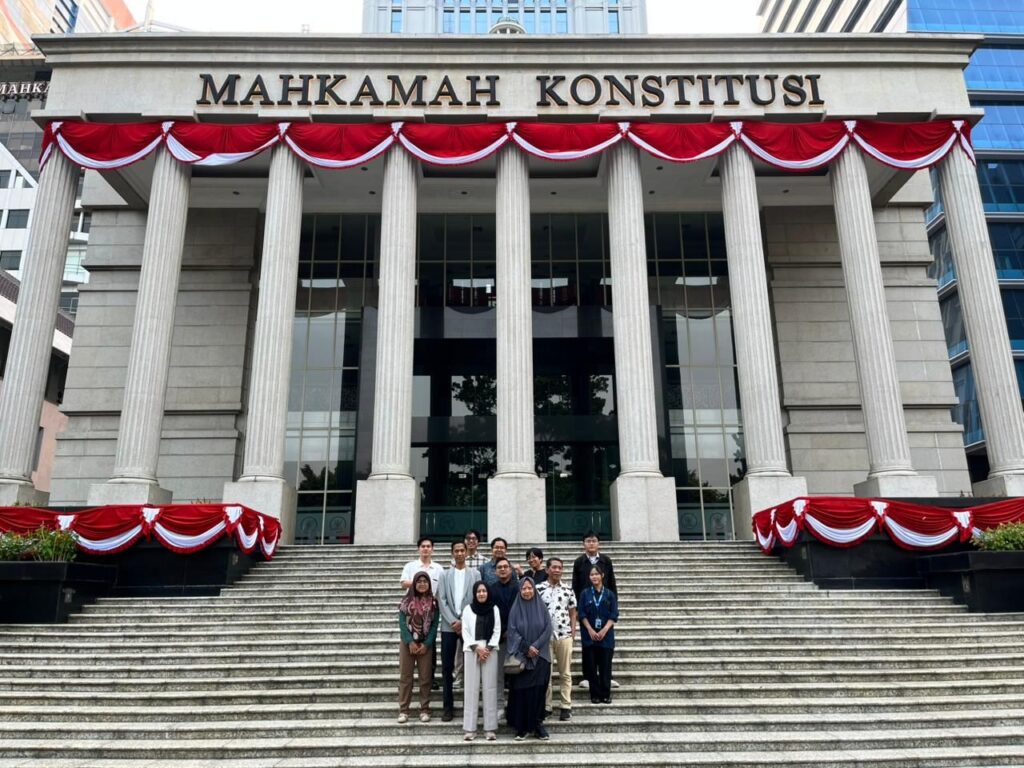
Coalition members, Indonesia AIDS Coalition (IAC), Indonesia for Global Justice (IGJ), Pulmonary Hipertension Foundation (YHPI), Indonesian Dialysis Community (KPCDI), Mrs. Lusiana A., and lawyer Akhmad Laduni in front of the Constitutional Court steps
For more information, contact Agung Prakoso, Coalition for Patients’ Rights Advocacy for Access to Medicines (agung.prakoso@igj.or.id) and Budi Larasati, Indonesia AIDS Coalition (blarasati@iac.or.id)
“The original article, “Indonesian court rules against patent evergreening, boosting access to medicines” (STAT News, Pharmalot, 24 September 2026), is behind a paywall.
Read the full article (PDF): Indonesian court rules against patent evergreening by pharma industry
Note to Editors:
Important details regarding the case and quotes from Coalition members that fought the case are below in Bahasa and English, in the press release issued by the Coalition for Patients’ Rights Advocacy for Access to Medicines, Indonesia
Press Release (Bahasa) from the Coalition for Patients’ Rights Advocacy for Access to Medicines:
Coalition for Patients’ Rights Advocacy for Access to Medicines
PRESS RELEASE
Patient Rights Victory: Constitutional Court Restores Anti-Evergreening
Provision in Patent Law and Strengthens Protection of Access to Medicines
Jakarta, 28 August 2026 – The Coalition for Patients’ Rights Advocacy for Access to Medicines welcomes the decision of the Constitutional Court of the Republic of Indonesia (Mahkamah Konstitusi/MK), which partially granted Petition No. 255/PUU-XXIII/2025, challenging Law No. 65 of 2024 on the Third Amendment to Law No. 13 of 2016 on Patents, on Friday (28 August 2026).
The decision marks an important victory for patients, the public, and efforts to ensure access to affordable medicines. Through its decision, the Constitutional Court has restored the anti-evergreening provision under Article 4(f) of the Patent Law, which had previously been removed by Law No. 65 of 2024.
The Court ruled that the removal of the provision was contrary to the 1945 Constitution of the Republic of Indonesia (UUD NRI 1945) and conditionally unconstitutional. As a result, new uses of existing and/or known products, as well as new forms of existing compounds that do not result in a significant increase in efficacy, are once again excluded from patentable subject matter.
For the Coalition, this decision is particularly significant because patent evergreening can be used to extend monopolies through minor changes or modifications that do not provide meaningful therapeutic innovation. When patent monopolies are extended, generic competitions are delayed, medicine prices remain high, and ultimately patients and the State bear the costs associated with such monopolies.
Constitutional Court Ruling
In its ruling, the Constitutional Court partially granted the Petitioners’ application. Among other things, the Court declared that the word ‘deleted’ in Article 4(f), as stipulated in Article 1 Point 2 of Law No. 65 of 2024, is contrary to the 1945 Constitution and has no binding legal force conditionally, insofar as it is not interpreted as follows:
“Article 4(f): discoveries in the form of:
- new uses of existing and/or known products; and/or
- new forms of existing compounds that do not result in a significant increase in efficacy and have related differences in chemical structure from the known compound.”
The Constitutional Court further considered Article 4(f) to be an important instrument for balancing the exclusive rights of patent holders with the public interest, particularly the public’s right to health and access to affordable medicines.
According to the Court, limiting patents on second medical uses and new forms of compounds that do not provide a significant increase in efficacy is necessary to prevent patent evergreening practices that extend pharmaceutical monopolies and delay the entry of generic medicines. The Court therefore viewed the existence of Article 4(f) as an integral part of a proportionate, public-interest-oriented patent system, as well as an expression of the State’s constitutional obligation to guarantee the right to health and social justice.
Arni Rismayanti, Chairperson of the Indonesian Pulmonary Hypertension Foundation (YHPI), welcomed and expressed her appreciation for the Court’s decision.
“This is an important step towards ensuring that the patent protection system maintains a proper balance between innovation and people’s right to access affordable treatment. For patients with pulmonary hypertension, this is not an abstract issue. Based on patients’ experiences, access to medicines and their prices can directly affect the financial burden they face and their quality of life,” said Arni Rismayanti.
Maria Wastu Pinandito, S.H., one of the Petitioners’ attorneys, also welcomed the decision, describing it as appropriate, fair, and protective of Indonesian citizens’ constitutional rights.
“This decision serves as a reminder that pharmaceutical patents do not only have an economic function, but also a social function: enabling people to benefit from science and healthcare services, as guaranteed under Article 28C(1), Article 28D(1), and Article 28H(1) of the 1945 Constitution of the Republic of Indonesia,” said Maria Wastu Pinandito.
The Court also provided an important interpretation of the phrase ‘interested party’ in relation to oppositions against the grant of patents under Article 70. In its decision, the Court considered that parties representing public interest—including advocacy groups and patient associations, consumer protection groups, non-governmental organizations working to advance the right to health, and independent researchers—have a genuine legal interest and form part of public oversight.
“The Court’s opinion in this case, particularly regarding Article 70 of Law No. 13 of 2016, opens the door to broader interpretation of the legal standing of community groups affected by patents, without limiting such standing only to patent holders or businesses in the pharmaceutical industry. The decision also reminds the Patent Appeal Commission to carefully assess the criteria for determining the relevant legal subjects, so that the public interest is not harmed by pharmaceutical patents that may impede access to medicines. This is therefore a victory for the public at large and, in particular, for patients,” said Rahmat Maulana Sidik, Executive Director of Indonesia for Global Justice (IGJ).
Maintaining the Balance Between Innovation and the Public’s Right to Health
For patient groups such as the Indonesia AIDS Coalition (IAC), the patent system should encourage genuine pharmaceutical innovation, rather than allow medicine monopolies to be extended through minor modifications that provide no meaningful therapeutic benefit.
“At its core, this decision is about balancing intellectual property protection with the public’s right to health. A patent is a social contract: the State grants a temporary exclusive right in exchange for an invention being disclosed to the public. When patents are used to maintain monopolies without meaningful innovation, what is at stake is patients’ access to life-saving treatment. Patient groups strongly welcome this decision and hope to work together to ensure its effective implementation,” said Aditya Wardhana, Chairperson of the IAC Governing Board.
Another Petitioner, Lusiana Aprilawati, a Tuberculosis (TB) survivor, added that the decision offers hope for patients to access more effective medicines in the future. “This decision creates opportunities for patients, including people affected by TB, to access more effective medicines. Once patent protection expires, generic versions can be produced and made available at more affordable prices, allowing more patients to receive treatment. This is not limited to medicines, but also extends to prevention tools, vaccines, and diagnostic technologies.”
The Coalition further emphasizes the importance of the Government and the House of Representatives (DPR) taking the necessary steps to implement the decision by making the required amendments in accordance with the Court’s ruling.
In the Coalition’s view, this case is not merely a dispute over technical provisions of intellectual property law. The Government and the DPR must implement the decision as a means of safeguarding citizens’ constitutional right to access healthcare services and affordable medicines, as guaranteed under Article 28H(1) of the 1945 Constitution of the Republic of Indonesia.
“For millions of patients in Indonesia, this issue is not simply about patents. It is about whether they can obtain the medicines they need to survive,” stressed a representative of the Coalition.
Media Contact
Agung Prakoso
Coalition for Patients’ Rights Advocacy for Access to Medicines
P: +62 857 8873 0007
E: agung.prakoso@igj.or.id
About the Coalition for Patients’ Rights Advocacy for Access to Medicines
The Coalition for Patients’ Rights Advocacy for Access to Medicines is a coalition of patient organizations, civil society organizations, and individuals advocating for equitable access to medicines and health technologies in Indonesia.
In this case, the Petitioners were:
- Indonesian Dialysis Patients Community (KPCDI)Coalition for Patients’ Rights Advocacy for
Access to Medicines
- Indonesian Drug Users Network (PKNI)
- Indonesian Positive Women’s Association (IPPI)
- Indonesian Pulmonary Hypertension Foundation (YHPI)
- REKAT Peduli Indonesia Foundation (REKAT)
- Indonesia for Global Justice (IGJ)
- Lusiana Aprilawati, TB survivor and activist
- Irwandy Wijaya, HIV activist and Advocacy Staff at the Indonesia AIDS Coalition
(IAC)
- Patrick J. Laurens, HIV activist and Program Manager at the Indonesia AIDS
Coalition (IAC)
10.Paran Sarimita Winarni, TB survivor and activist
The Coalition would like to express its sincere appreciation for the collaboration and support of its partners, Third World Network (TWN) and the Make Medicines Affordable (MMA) Coalition, as international partners in advancing efforts to ensure affordable access to essential medicines in Indonesia.